Can Invisalign Close Gaps Between Teeth?

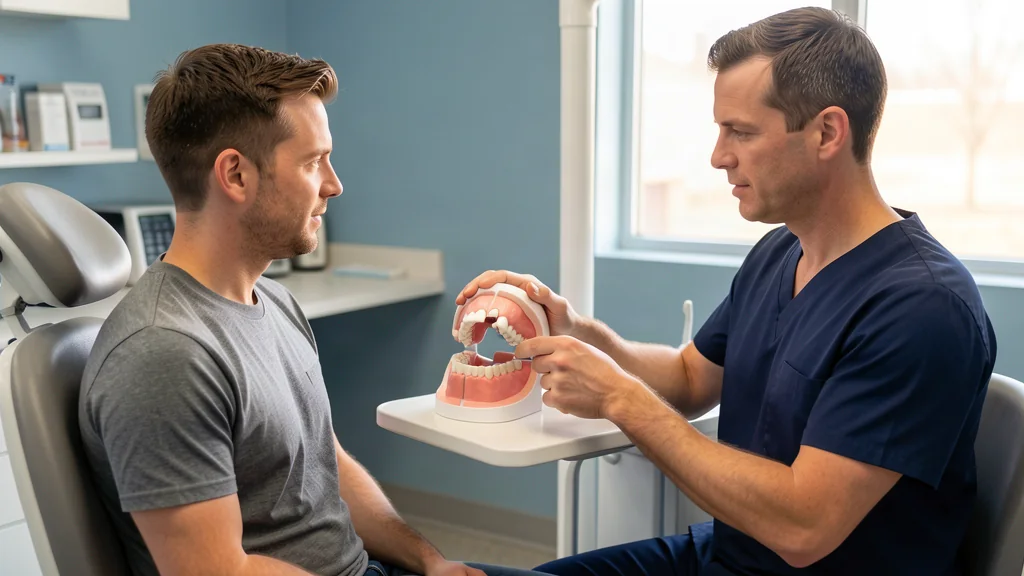
Patients in my Briarcliff office often ask whether Invisalign can close a front-tooth gap without braces. Many times it can. I still want to know why the gap is there before I recommend moving anything. A small space caused by tooth position is a different problem from a new gap caused by gum and bone loss or a space next to a missing tooth.
Invisalign can close many mild to moderate gaps between teeth. The trays apply controlled pressure that gradually moves selected teeth together. Treatment is less predictable when spacing is large, teeth are missing or unusually small, the bite needs major correction, or gum support is unhealthy. Some patients need bonding, a replacement tooth, gum treatment, braces, or a combined plan instead of aligners alone.
Before I plan tooth movement, I look at why the space formed and where each tooth needs to finish.
The American Association of Orthodontists describes several causes of spacing. Teeth may be small for the jaw, a missing tooth may leave room, or tongue pressure may influence alignment. In adults, a new or widening gap can also be associated with gum disease and loss of support around the teeth.
The cause changes the treatment. If two healthy front teeth have drifted apart but the bite is otherwise stable, aligners may bring them together. If a side tooth is missing, closing every bit of space might create the wrong proportions or bite. Sometimes I preserve enough room for a bridge or implant. If the teeth are narrow, moving them together may still leave the smile looking uneven, so conservative bonding can become part of the discussion.
Clear aligners are custom trays worn in a planned sequence. The American Association of Orthodontists explains that each tray applies gentle pressure and moves teeth a small amount at a time. Attachments may be placed on certain teeth so the plastic has enough grip for the intended movement.
Closing a visible front gap is not simply a matter of pulling two teeth toward each other. I plan where their roots, edges, and contact points should finish. I also check how the upper and lower teeth meet. Moving the front teeth without coordinating the bite can trade one concern for another.
At Village Family Dental, my spacing evaluation includes more than the width of the gap:
• How long the space has been present: A stable gap is different from one that recently appeared or keeps widening.
• Gum and bone support: Bleeding, recession, tooth mobility, or bone loss needs attention before orthodontic movement.
• Tooth size and shape: Small or tapered teeth may need bonding after movement to create balanced proportions.
• Missing teeth: The plan may close the space, redistribute it, or preserve it for tooth replacement.
• The full bite: Crowding, overbite, crossbite, and how the back teeth fit can change the sequence.
• Daily wear: Removable trays only work while they are in place, so consistency matters.
Clear aligners move teeth in small planned steps. Daily wear, cleaning, review visits, and retention all affect the result.
A gap can be cosmetic, but I do not want to hide a health problem. The National Institute of Dental and Craniofacial Research notes that advanced gum disease can damage the bone supporting teeth and may cause teeth to loosen or shift. If spacing is new and your gums bleed, look swollen, or the teeth feel mobile, the first step is a periodontal evaluation, not a set of aligners.
Spacing beside a missing tooth also needs a restorative plan. A dental implant does not move with orthodontic treatment, so I decide where natural teeth should finish before an implant is placed whenever possible. For very small teeth, orthodontics may distribute space evenly before bonding or veneers. Larger or more complex movements may be handled more predictably with braces or specialist care.
The width of the space matters, but it is not the only factor. Treatment time also depends on how many teeth must move, whether the roots need substantial correction, how the bite fits, and how consistently the aligners are worn. A small front gap can still be part of a broader bite problem. I give a timeline after examining the teeth and reviewing a digital scan and any needed images.
Do not use elastic bands or other do-it-yourself methods to pull teeth together. Moving teeth without controlling the roots and surrounding tissues can damage the gums, bone, or tooth position. Supervised treatment includes review visits so I can confirm that the teeth are tracking as planned.
Teeth can shift after orthodontic treatment, and spaces have a tendency to reopen. The AAO recommends retainers after spacing treatment to maintain the result. Your retention plan may include a removable retainer, a bonded wire, or both. If tongue pressure, gum disease, or another underlying factor contributed to the spacing, that issue also needs ongoing attention.
• What caused my gap, and has the spacing changed recently?
• Can aligners close it without creating a bite problem elsewhere?
• Will tooth shape leave me needing bonding after the movement?
• Do my gums and bone look healthy enough for orthodontic treatment?
• What kind of retainer will help keep the space closed?
Often, yes. Clear aligners can close many front-tooth gaps, but I still check the cause of the space, tooth proportions, root position, gum health, and the full bite before planning treatment.
Large or complex spaces may be less predictable with aligners alone. Missing teeth, major bite problems, unusual tooth size, or the amount of root movement needed may point to braces, restorative care, or a combined plan.
Not everyone does. Bonding may help when teeth are small, tapered, chipped, or unevenly shaped. In those cases, I can plan the tooth movement around the final proportions instead of deciding on bonding at the end.
A widening gap can come from shifting teeth, bite forces, a missing tooth, a habit, or loss of gum and bone support. Because the causes need different treatment, a new or changing space should be examined rather than treated from a photo alone.
I can examine the gap, your bite, and the health of the supporting tissues before we discuss options. Read about Invisalign at Village Family Dental , learn more about my approach to care , or request an appointment at our Briarcliff office.
• American Association of Orthodontists: Teeth Spacing, Causes, Concerns, and Treatment Options
• American Association of Orthodontists: Clear Aligners
• National Institute of Dental and Craniofacial Research: Periodontal (Gum) Disease
Our team of dedicated providers are hear to address your key concerns and help you get the smile of your dreams.


