How Many Hours a Day Should I Wear Invisalign?

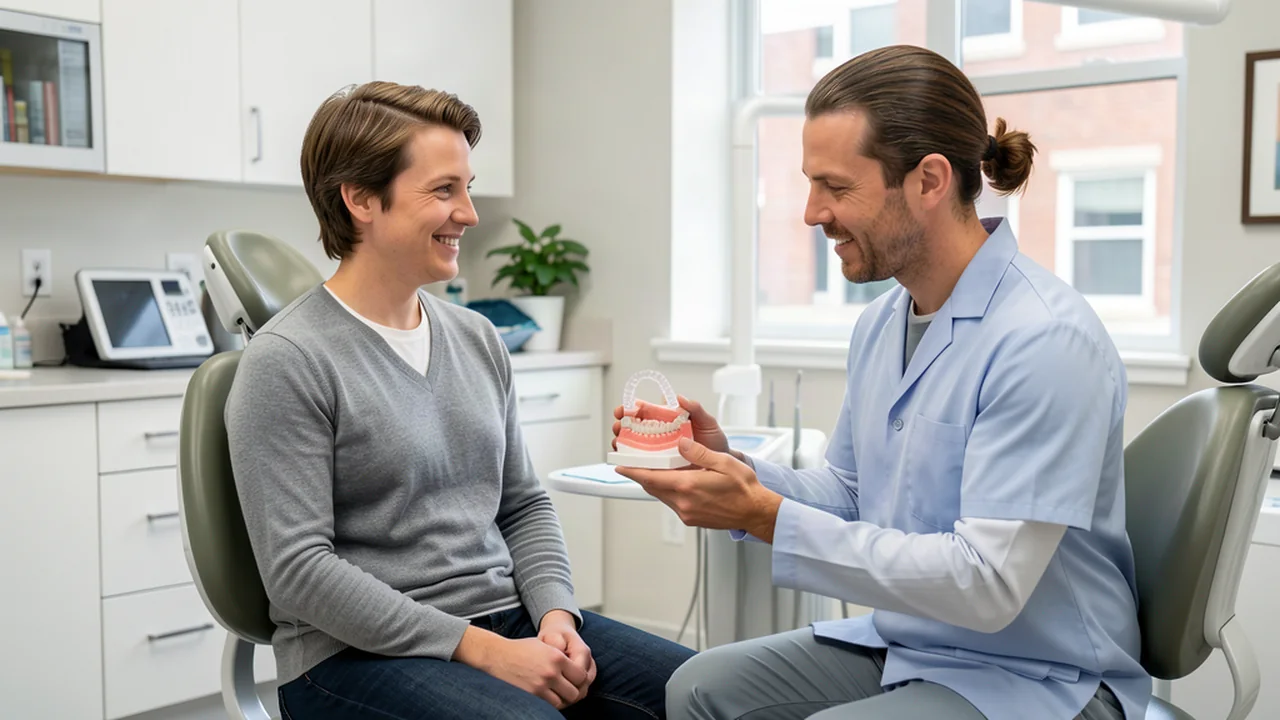
When I hand a patient the first set of Invisalign aligners, I spend a few minutes talking about the clock. The trays may look simple, but they can only guide teeth while they are seated fully in the mouth. A busy lunch, a long coffee, and an evening snack can quietly add up to more time out than most people realize.
Most Invisalign patients should wear their aligners for at least 22 hours a day unless their dentist gives different instructions. Take them out for meals, drinks other than plain water, brushing, and flossing. The remaining time is enough for those routines, but it does require a little planning.
Your daily wear goal should come from the treatment plan your dentist gives you, not from a friend's schedule.
Clear aligners apply gentle, planned pressure. When a tray is out, that pressure stops. The American Association of Orthodontists says aligners are typically worn at least 22 hours a day and removed for eating, drinking, brushing, and flossing. That recommendation is built around consistency rather than squeezing extra wear into one or two good days each week.
If an aligner spends too much time out, the teeth may not be ready for the next tray. The current tray can feel tighter than expected, the next one may not seat completely, and the treatment schedule may need to change. I would rather know about a fit problem early than have a patient force a tray that no longer matches the teeth.
Two hours out of the mouth sounds generous until meals and drinks are counted. A practical day might allow about 30 minutes for breakfast, 40 minutes for lunch, and 45 minutes for dinner. That still leaves a little time for brushing and an occasional snack.
Long sipping is the habit that catches people. If you remove the trays for a cup of coffee and keep the cup nearby for two hours, much of the day's allowance is gone. Patients at Village Family Dental in Briarcliff often do better when they finish a meal or drink, clean their teeth, and put the aligners back in instead of waiting for a more convenient moment.
I suggest keeping the routine boring and repeatable:
• Put the aligners in after your morning brushing and wear them until breakfast if that fits your schedule.
• Store them in their case during every meal. Napkins are how trays disappear into trash cans.
• After eating, brush and floss when you can. At minimum, rinse your mouth and the trays, then follow your dentist's cleaning instructions as soon as practical.
• Keep the case with you at work, school, and restaurants.
• Use the tracking method your dentist recommends so tray changes do not become guesswork.
Do not clean aligners with hot water. Heat can distort plastic, and a warped tray may no longer fit as planned. Use cool or lukewarm water and the cleaning method recommended for your system.
A case makes it easier to protect an aligner during meals instead of wrapping it in a napkin or leaving it exposed.
Put the current aligner back in as soon as you can. Do not jump ahead to the next tray to make up time. Pay attention to whether the tray seats all the way over the teeth and whether there is a new gap between the plastic and a tooth.
A single imperfect day does not tell me exactly how much time treatment will gain or lose. Repeated short-wear days are more likely to affect tracking. If the tray does not fit, feels unusually painful, or was left out for most of a day, call our office before changing to the next set. I may recommend more time in the current tray or another step based on what I see.
Remove aligners for food and for drinks other than plain water. Eating with trays in can damage or stain them. Beverages can also sit against the teeth under the plastic, especially when they contain sugar or acid. After a meal, clean your teeth before replacing the trays when possible. This helps reduce the amount of food and plaque trapped against tooth surfaces.
Regular dental checkups still matter during Invisalign treatment. The aligners do not protect a tooth from decay or the gums from inflammation. Cleveland Clinic notes that orthodontic treatment can make teeth easier to clean once they are properly aligned, but healthy teeth and gums still depend on daily care throughout treatment.
Good compliance cannot fix every fit issue. An attachment can come off. A tray can crack, stretch, or get lost. A filling or crown may change the shape of a tooth. Tooth movement can also vary from the digital plan. Contact us if you notice:
• A tray that rocks, will not seat, or has a visible gap around one tooth.
• An attachment that is missing or feels different.
• A cracked, sharp, or badly warped aligner.
• Pain that is severe, worsening, or different from ordinary pressure.
• Swelling, bleeding gums, or a dental problem that needs attention.
Follow the schedule prescribed for you. Most patients are told to aim for at least 22 hours. A consistent two-hour shortfall gives the teeth less time under planned pressure and may affect fit.
Remove the aligners for coffee. It can stain the trays, and sugar or acid can remain against the teeth. Plain water is the safer drink while aligners are in place.
Yes. Overnight wear is a large part of reaching the daily goal. Remove the trays only for the routines your dentist has discussed with you.
Contact your dental office. Do not decide on your own to skip ahead or return to an old tray. The right step depends on where you are in the sequence and how the next tray fits.
If a tray no longer fits or your daily routine keeps getting in the way, I can check the fit and help you make a workable plan. Read about Invisalign at Village Family Dental , learn more about my approach to care , or request an appointment at our Briarcliff office.
• American Association of Orthodontists: Aligners
• Cleveland Clinic: Orthodontics
• Invisalign: How Invisalign Treatment Works
Our team of dedicated providers are hear to address your key concerns and help you get the smile of your dreams.


